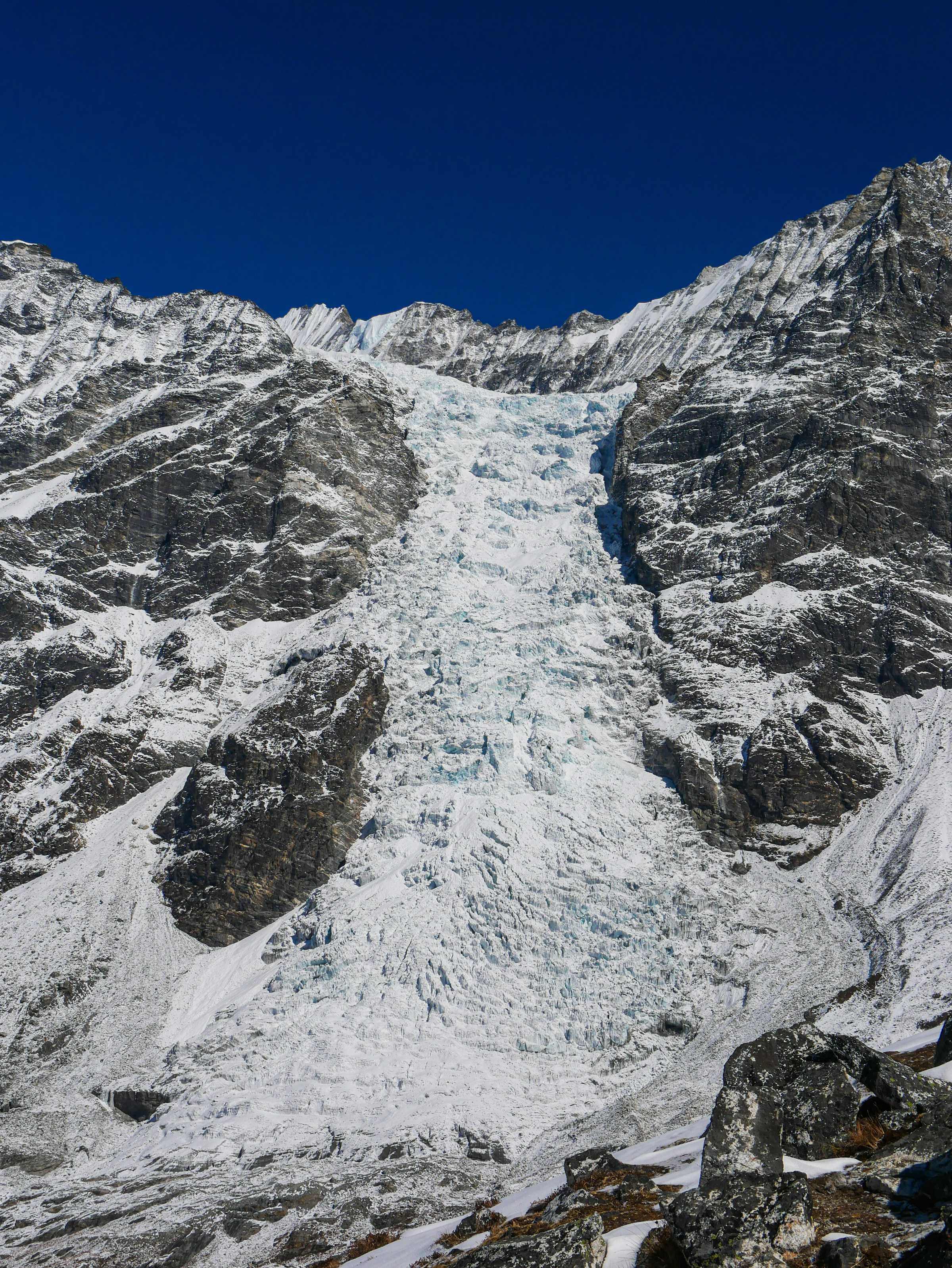
Ice and rock broke away
A section of glacier and underlying bedrock failed high on the Langtang Lirung massif.
Nepal contributed almost nothing to creating the climate crisis. Yet its people are losing homes, livelihoods, heritage and lives. This is not charity. It is justice.
See what happenedWe contributed the least.
We are losing the most.
Polluters must pay.
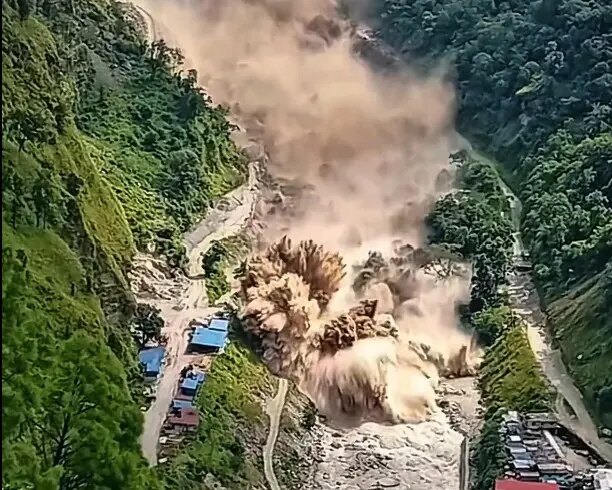
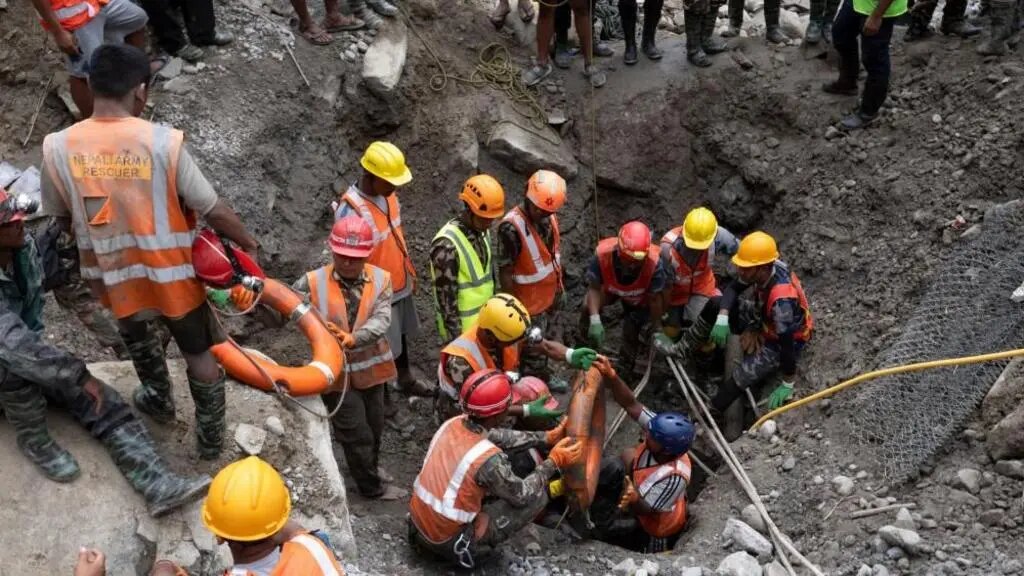
On 26 August 2026, a section of glacier and underlying bedrock collapsed from the Langtang Lirung massif. The ice-rock avalanche produced a destructive surge through the Lhende Khola, Bhotekoshi and Trishuli river systems.
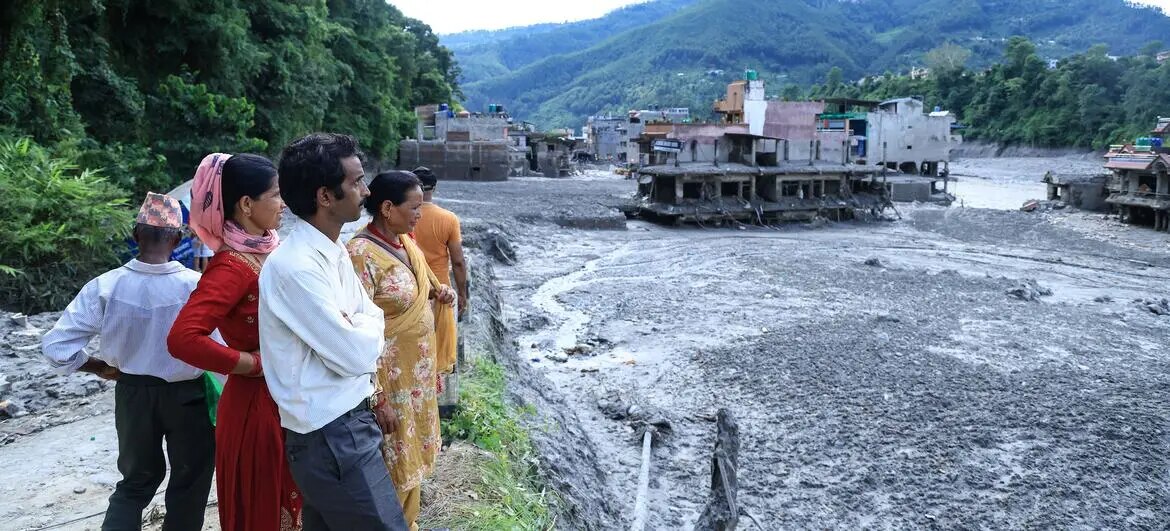
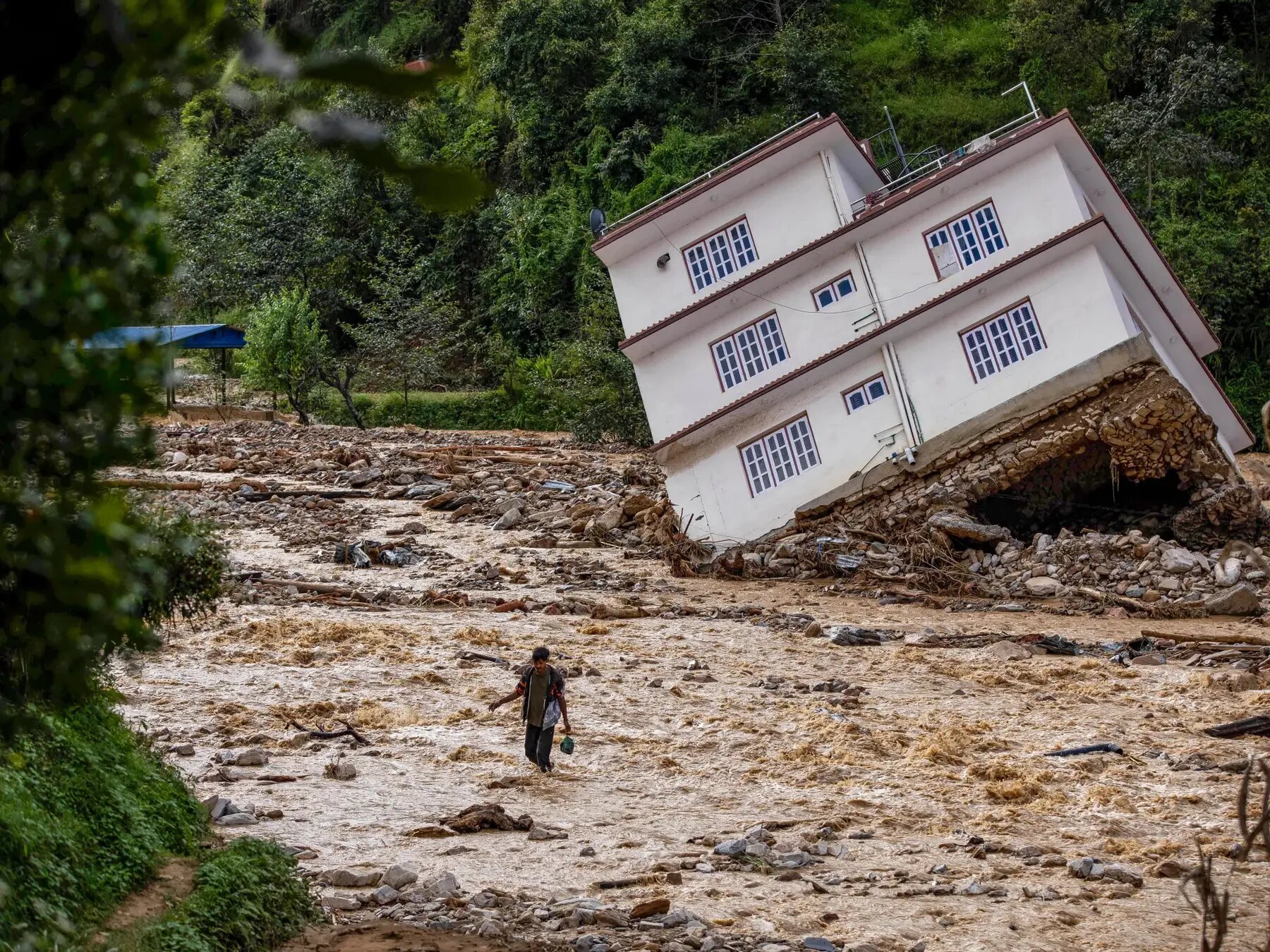
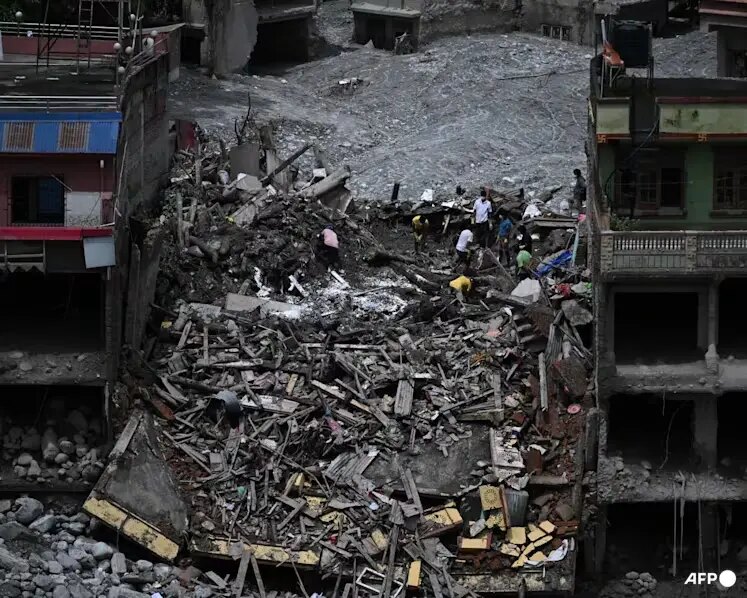
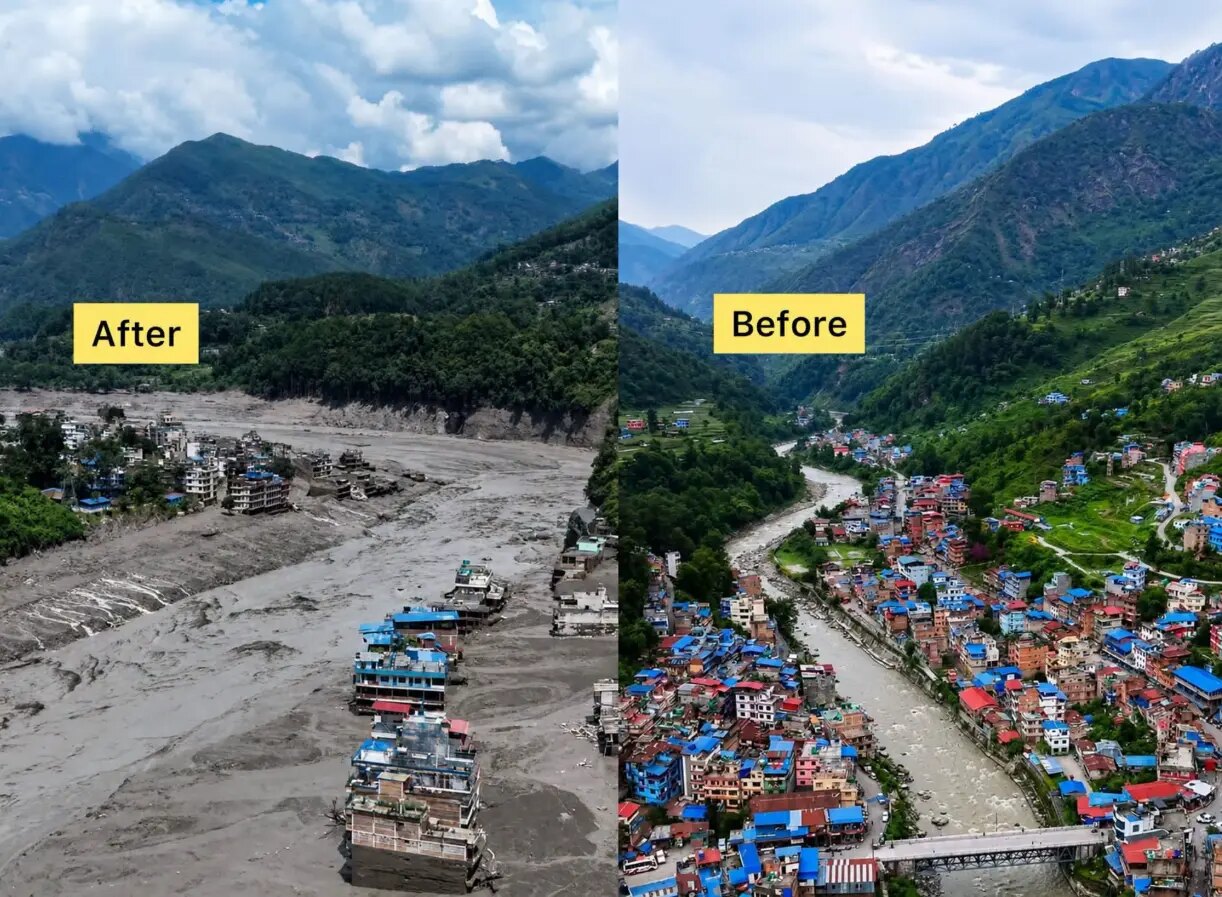
Families were swept away. Communities were buried. Homes, schools, roads, bridges, farms and hydropower infrastructure were destroyed. This glacier-related disaster unfolded in a Himalayan region already experiencing accelerating glacier loss and rising climate risk.
Read the NDRRMA-based situation reportA section of glacier and underlying bedrock failed high on the Langtang Lirung massif.
The falling mass entrained ice, water, rock and sediment as it entered the Lhende Khola catchment.
Debris temporarily dammed the river. When the obstruction released, a sudden surge accelerated downstream.
The flood travelled through the Bhotekoshi, Trishuli and Narayani systems, striking communities far from the collapse.
Reported figures were still changing as rescue and identification work continued.
Death and missing-person figures reflect reporting available on 8 September 2026 across Nepal and Tibet and remain provisional. Other damage figures reflect reporting available on 5 September. The event mechanics are based on Nepal’s disaster-response reporting.
Video: The Telegraph India
Stop calling it aid. Stop calling it generosity. What is owed to Nepal is climate debt — money that is due because of harm that was caused, not a gift that so-called developed countries get to decide whether or how much to give.
From Nepal, the flood is not only a humanitarian emergency. It is an economic reckoning imposed on a country that contributed almost nothing to the crisis driving Himalayan risk.
Video source: Al Jazeera English
Hydropower plants, highways, bridges and entire villages have been damaged or erased. Nepalese authorities estimate that rebuilding may cost US$5 billion—and the true bill continues to rise while thousands of people, many of them family breadwinners, remain missing.
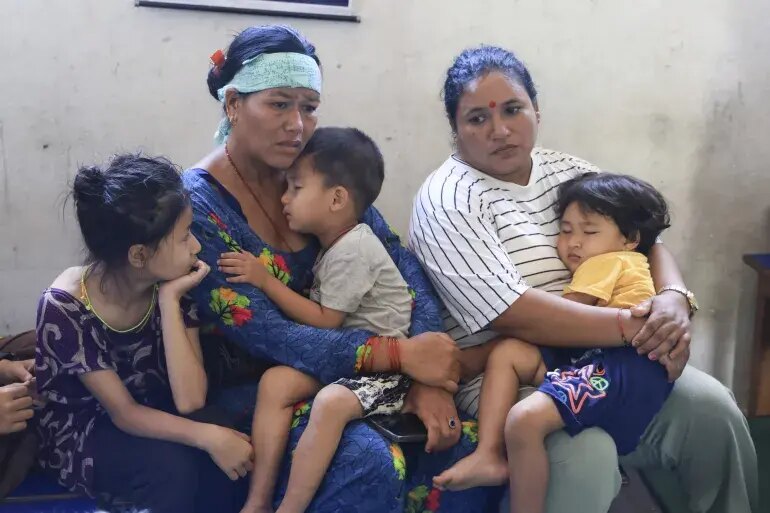
Behind every figure is a family. Chirachit Kurki lost an aunt and cousin as they waited to cross the Nepal–China border. His experience reflects what survivors already understand: this was not simply an unavoidable act of nature. Human-driven warming is destabilising the Himalayan environment on which millions depend.
Twelve hydropower plants in the Trishuli Basin—built with Chinese participation and international finance—were reported severely damaged. Tens of thousands of families now need homes. Climate activist Aakriti Dotel argues that the countries and institutions connected to development in the Himalayas must help pay for what has been destroyed.
Emergency relief matters. But relief is not repayment. Nepal is asking for compensation proportionate to the harm—not grants presented as generosity after losses measured in billions.
These measures may save lives today, but they cannot restore what Nepal has lost. Meanwhile, a separate landslide in Darchula has blocked a river and displaced more families—a warning that this crisis is continuing, not ending.
Addressing the House of Representatives on 2 September 2026, Prime Minister Shah described the Bhote Koshi catastrophe as a warning from a Himalayan region facing accelerating climate risk.
“The flood in the Bhote Koshi River in Rasuwa was not an ordinary flood... It was one of the region's major disasters, triggered by an avalanche of snow and ice in the Himalayan region.”
“This incident indicates that the risks we face in the Himalayan region are increasing alongside climate change.”
“...the time has also come for us to forcefully present to the international community the disasters we are suffering because of climate change.”
“Climate change is a product of the whole world's contribution hence mitigating and managing its effects is the shared responsibility of the global community.”
Prime Minister Shah is scheduled to take Nepal’s climate concerns to the 81st United Nations General Assembly on 24 September 2026. A rapidly growing petition can show that his appeal is backed not only by one government, but by people across Nepal and the world.
Every verified signature strengthens the public case for climate compensation, debt-free recovery finance, Himalayan monitoring and international responsibility. We want Nepal to arrive at the UN with evidence that the world is listening—and demanding action.
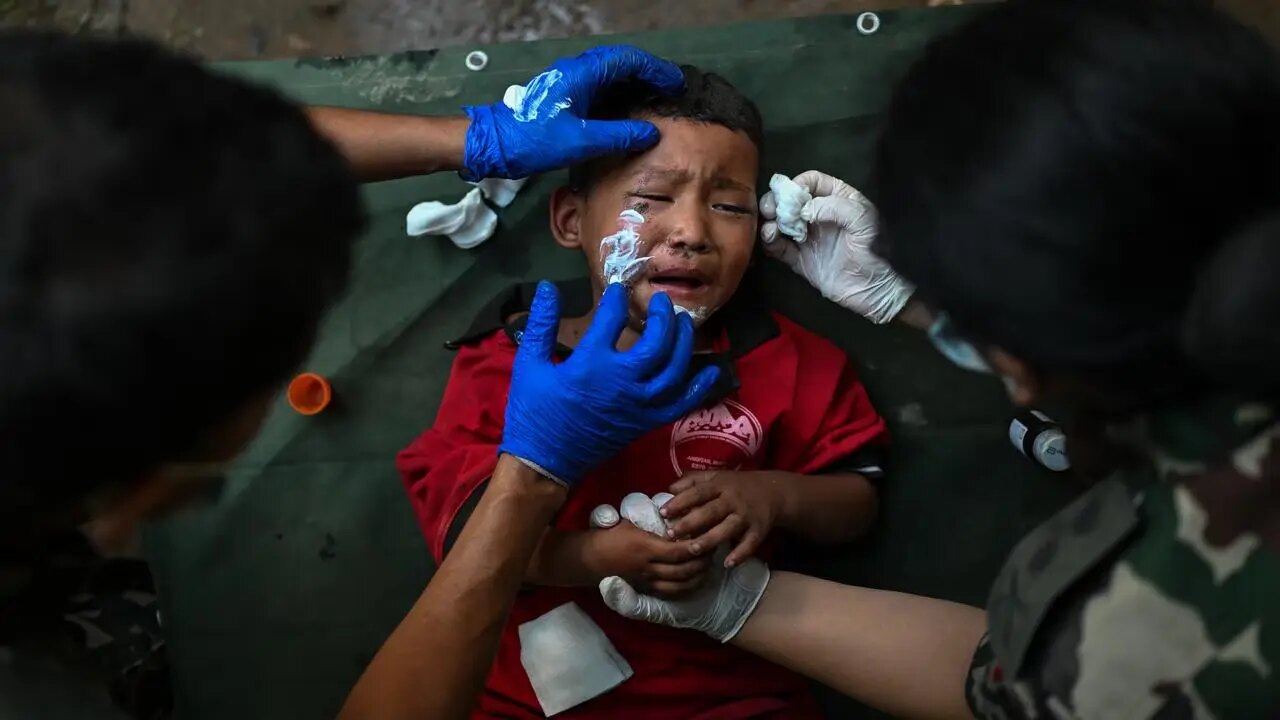
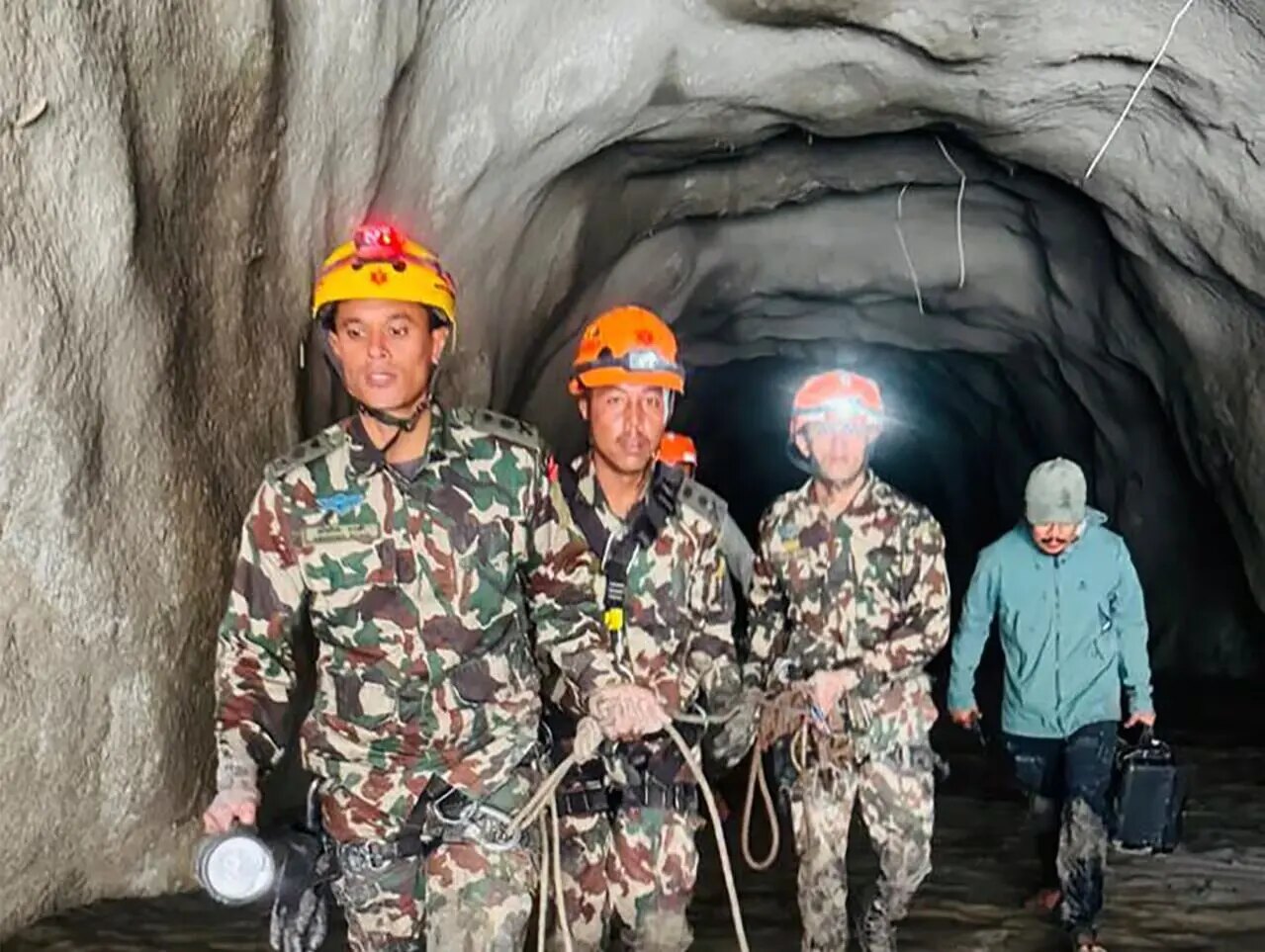
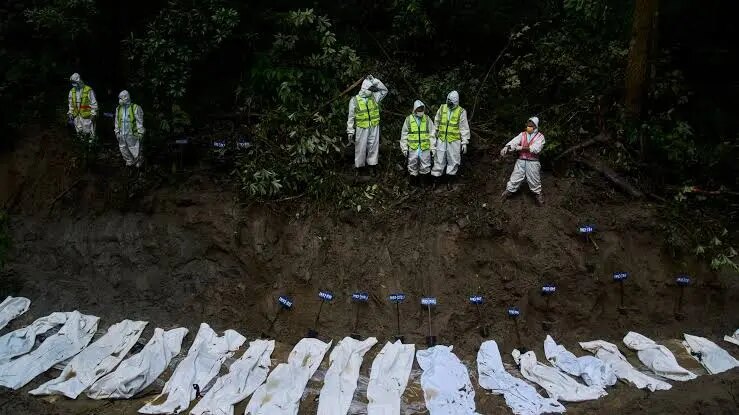
Glacier retreat, thawing frozen ground, unstable lakes, extreme rainfall and exposed infrastructure are combining into a growing chain of risk. Nepal cannot rebuild after every disaster while the world continues business as usual.
Yet Nepal is being asked to absorb losses measured in lives, livelihoods and billions of dollars.
The Fund for Responding to Loss and Damage is necessary, but its current scale cannot meet the magnitude of Nepal’s present losses or future risk.
We call on the United Nations, the world’s highest-emitting countries, multilateral development institutions and major corporate polluters to establish a Nepal–Himalayan Climate Recovery and Resilience Compact.
Debt-free finance for rescue, shelter, reconstruction and support for bereaved and displaced families.
Glacier monitoring, early-warning systems, safer infrastructure and planned relocation from extreme-risk zones.
Predictable contributions based on current emissions, historical responsibility and ability to pay.
Public tracking of every commitment, project and dollar, with affected communities represented in decisions.
The international fund was created to assist climate-vulnerable developing countries facing economic and non-economic loss from extreme weather and slow-onset events. Its initial Barbados Implementation Modalities provide USD 250 million in grants, with individual requests generally ranging from USD 5 million to USD 20 million.
We call for an urgent Nepal request, an immediate first grant, and finance proportionate to the country’s verified losses—not another loan.
Understand the fundJustice must be adequate, additional, accessible and accountable.
An urgent, country-led request to the Fund for Responding to Loss and Damage for the August 2026 disaster.
Climate-vulnerable countries should not be forced to borrow to rebuild from a crisis they did little to create.
Finance must reach affected families, local governments, farmers, workers and displaced communities directly.
Recognise deaths, displacement, trauma, culture, livelihoods, biodiversity and community identity—not infrastructure alone.
Nepal does not seek sympathy alone.Add your name
Nepal demands climate justice.
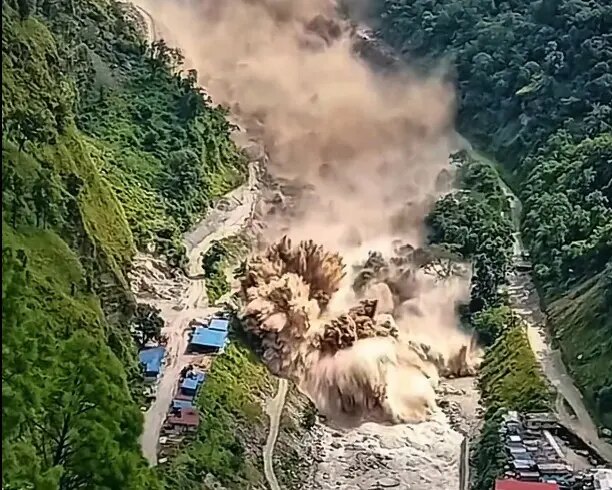
What caused the catastrophe—and the monitoring, regional cooperation and climate finance needed before the next Himalayan disaster.
Read the latest article